Why sell your Pokemon cards now?
The Pokemon card market has never been more favorable for sellers. In this 30th anniversary year of the franchise, demand for vintage cards from the Wizards of the Coast era (Base Set, Jungle, Fossil, Team Rocket, Neo series) has surged 30 to 50% since late 2025. Nostalgic collectors are returning in droves, and prices are breaking records across all platforms.
But selling Pokemon cards is not something you want to improvise. Between choosing the right selling platform, estimating the fair price, understanding each platform's fees, PSA/CGC certification, safe shipping and tax obligations, there are many factors to master in order to maximize your revenue and avoid costly mistakes.
This guide covers the entire selling process, from evaluating your collection to tax considerations. Whether you are selling a 1st Edition Charizard or a lot of 500 commons, you will find strategies tailored to your situation.
Evaluating your collection's value
Before listing anything for sale, you need to know what you have and what it is worth. Too many beginner sellers underestimate (or overvalue) their cards and end up losing money or sitting on unsold stock for months.
The 3 essential valuation tools
- Cardmarket -- The reference for Europe. Search for your card, filter by condition, and check the "price trend" which reflects recent sales. This is the most reliable benchmark for the European market.
- TCGPlayer -- The standard for the North American market. Real-time pricing based on actual sales. The "Market Price" feature gives you a solid baseline for English-language cards.
- eBay "Sold Listings" -- On eBay.com, search for your card and filter by "Sold Items". This shows you the actual prices at which cards have sold -- not the asking prices from optimistic sellers.
Factors that influence value
- Card condition -- This is the number one factor. A "Near Mint" card is worth 2 to 5 times more than a "Played" or "Heavily Played" one. Examine your cards under good lighting: scratches, whitening on edges, creases, centering. Check our guide on Pokemon card preservation for condition standards.
- Edition -- 1st Edition vs Unlimited, Shadowless vs Shadow, language variants: each version has its own market value. 1st Edition English Base Set cards command the highest premiums.
- Rarity -- Holo rare, secret rare, misprints: consult our guide on rarity levels to understand where your cards sit.
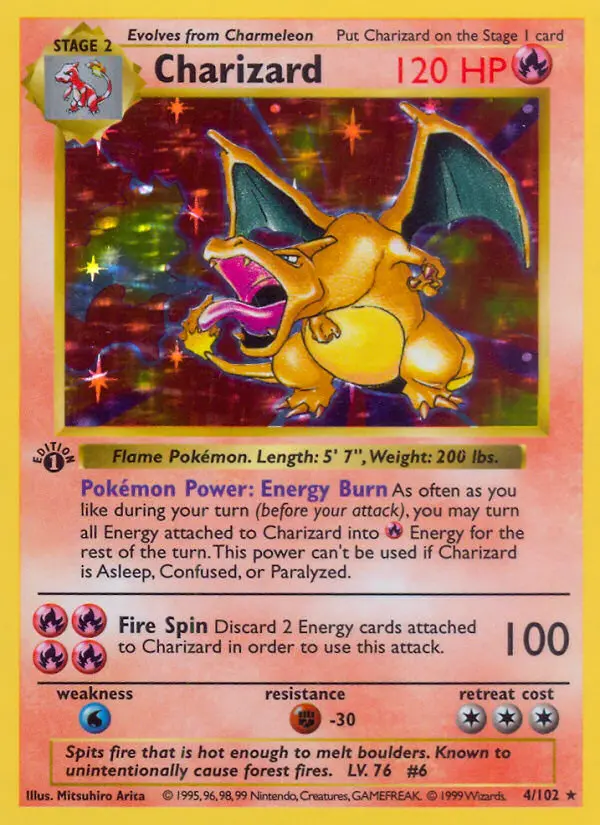
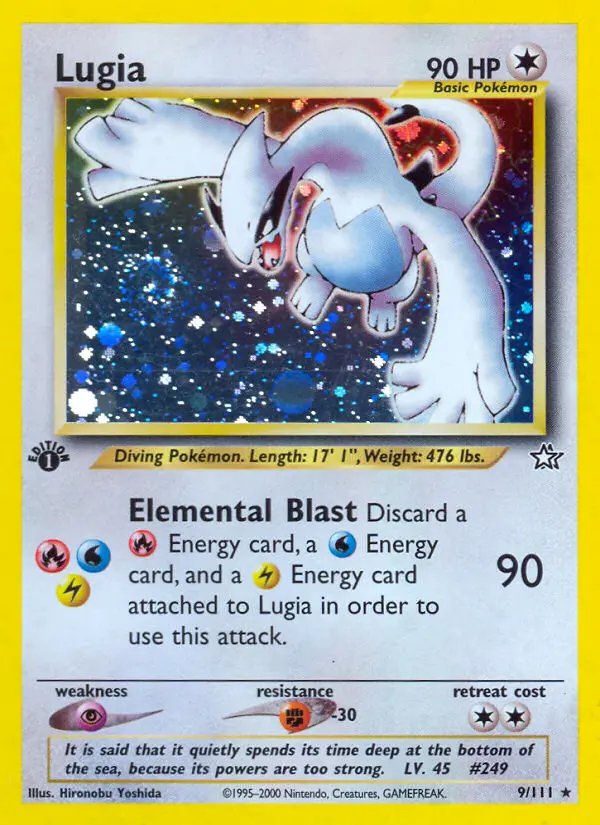
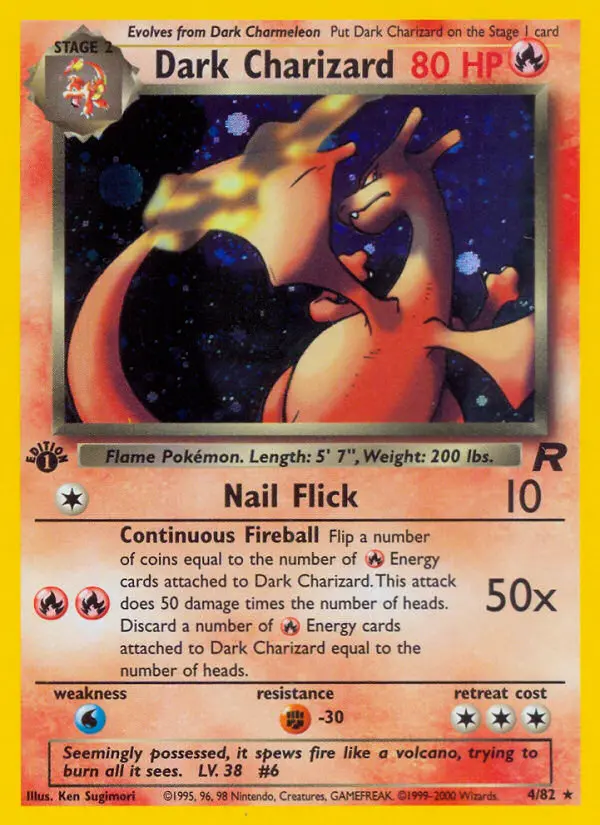
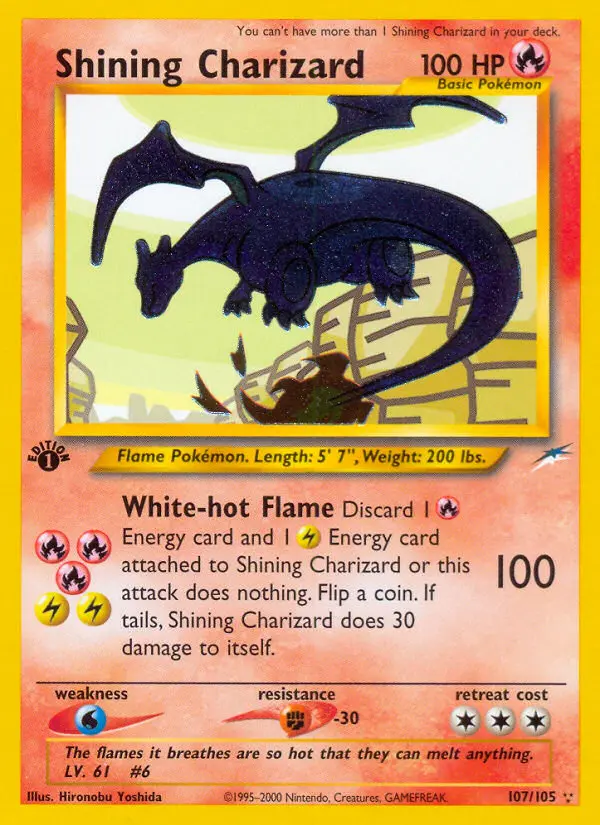
- The Pokemon itself -- Charizard, Pikachu, Mew and Lugia carry a popularity premium that far exceeds their objective rarity. A Charizard in average condition is often worth more than an obscure holo rare in perfect condition.
- Language -- English and Japanese cards generally command higher prices on the international market. However, 1st Edition cards in European languages (French, German, Italian) are increasingly sought after due to their low print runs.
The 5 selling channels compared
Each selling channel has its advantages, drawbacks, audience and fees. The right choice depends on the type of cards you are selling, the volume and your tolerance for effort. Here is the complete comparison.
Platform comparison table
| Platform | Seller fees | Audience | Speed | Protection | Best for |
|---|---|---|---|---|---|
| eBay | ~13% | Worldwide | Medium | Strong | Graded cards, auctions, high value |
| Cardmarket | 5% | Europe TCG | Fast | Strong | Singles, informed collectors |
| TCGPlayer | 10-15% | North America | Fast | Strong | English singles, US market |
| FB Marketplace / local | 0-5% | Local | Variable | Low | Lots, in-person meetups |
| Conventions | Table ~50-200€ | Collectors | Immediate | None | Volume, networking, rarities |
1. eBay -- The king of auctions and graded cards
eBay remains the undisputed leader for selling high-value Pokemon cards, especially PSA and CGC certified cards. Its worldwide audience means your cards are seen by millions of potential buyers. The Authenticity Guarantee program on sales over $150 adds a layer of trust for buyers.
eBay by the numbers for sellers
- Advantages: massive international audience, auctions that can drive prices up, authenticity program, seller protection with good photo documentation.
- Drawbacks: high fees (~13%), risk of disputes with dishonest buyers, payment delays through managed payment program.
- Best for: PSA/CGC certified cards, cards over 100 euros, auctions on rarities, international sales.
2. Cardmarket -- The European reference for singles
Cardmarket is the specialized TCG marketplace in Europe. With only 5% fees, it is the most cost-effective channel for individual card sales. The audience is composed almost exclusively of knowledgeable collectors and players, meaning quick transactions and few disputes.
- Advantages: lowest fees on the market (5%), ultra-targeted audience, transparent market pricing, reliable rating system.
- Drawbacks: audience limited to Europe, less suited for lots or auctions, requires precise condition descriptions (the Cardmarket grading system is strict).
- Best for: individual ungraded card sales, cards from 5 to 500 euros, regular sellers who want to optimize fees.
3. TCGPlayer -- The North American standard
TCGPlayer is the go-to platform for selling Pokemon cards in the United States and Canada. It offers robust pricing tools, a massive collector base, and the Direct by TCGPlayer program that handles shipping and customer service for qualifying sellers.
- Advantages: largest US audience, real-time market pricing, Direct program for hands-off selling, strong buyer protection.
- Drawbacks: fees vary by seller level (10-15%), primarily US-focused (international shipping is limited), requires setup for shipping standards.
- Best for: English-language cards, US market access, sellers with volume, modern and vintage singles.
4. Facebook Marketplace and local platforms
Facebook Marketplace, Craigslist, and other local platforms are particularly useful for selling lots and arranging in-person meetups. Zero shipping fees, zero breakage risk, and the ability to negotiate face-to-face.
- Advantages: in-person meetup possible (0% fees), large audience, easy lot sales, no detailed description needed for lots.
- Drawbacks: many messages without follow-through, frequent scam attempts, no seller protection, aggressive haggling.
- Best for: lots of common cards, local sales, entire binders, collection cleanout.
5. Conventions and trade shows -- Direct selling
TCG conventions and trade shows allow direct selling with no platform fees and no shipping delays. You pay for a table (50 to 200 euros depending on the event) and sell all weekend. The advantage: buyers see the cards in person, which eliminates condition disputes.
- Advantages: immediate cash sales, no platform fees, no condition disputes, networking with other sellers.
- Drawbacks: table cost, travel, full-day commitment, no guarantee of selling enough to cover costs.
- Best for: sellers with volume, high-value cards to show in person, building a regular customer base.
Graded vs ungraded: the impact on price
Grading is the factor that can multiply a card's value by 3 to 10 times -- or make no difference at all. Understanding when grading is cost-effective is an essential skill for any seller.
The effect of grade on price
| Card | Ungraded (NM) | PSA 8 | PSA 9 | PSA 10 |
|---|---|---|---|---|
| Charizard Base Set (Unlimited) | $180-300 | $350-500 | $600-1,000 | $2,500-5,000 |
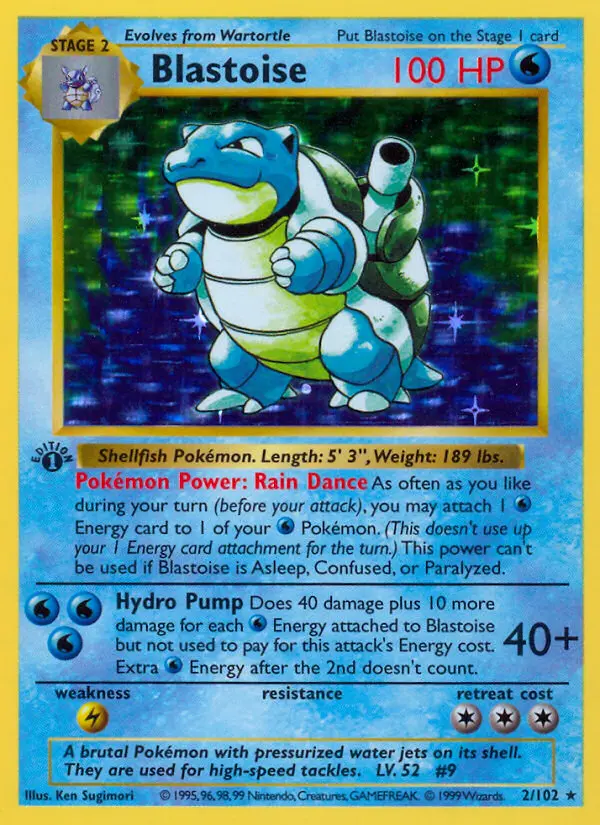
| Blastoise Base Set (Unlimited) | $50-80 | $100-150 | $180-300 | $600-1,200 |
| Lugia Neo Genesis (Unlimited) | $100-180 | $250-350 | $500-700 | $1,800-3,500 |
| Generic holo rare | $5-20 | $12-30 | $25-60 | $60-180 |
Grading profitability calculation
Pricing strategies: auction vs fixed price, timing and seasonality
How you set your price has a direct impact on your revenue. Too high and the card does not sell. Too low and you leave money on the table. Here is how to find the right balance.
Auction vs fixed price
- Fixed price ("Buy It Now") -- The most predictable format. Set your price based on eBay sold listings or Cardmarket/TCGPlayer prices. Add a 5-10% negotiation margin if you enable "Best Offer." Best for: cards with well-established market prices, regular sales, Cardmarket, TCGPlayer.
- Auction -- The format that can earn you the most... or the least. Auctions work well for rare or iconic cards where competition between buyers drives prices up. Start with a low starting price ($1 or no reserve) to attract attention, but only if the card has enough demand to generate multiple bids. Best for: high-value cards, rare pieces, PSA 10.
Timing: when to sell for maximum price?
Creating a listing that converts
The difference between a card that sells in 24 hours and one that sits for 3 months often comes down to listing quality. Here are the elements that make the difference.
Photos: your number one selling argument
- Neutral background and uniform lighting -- Use a white or matte black background. Avoid photos taken on the carpet or bed. Natural indirect lighting (near a window) or a ring light produces the best results.
- Front AND back -- Always. No exceptions. A serious buyer cannot evaluate condition without seeing the back of the card. Missing back photos are a red flag for buyers.
- Close-ups of defects -- If your card has edge whitening, a scratch or centering issues, photograph them. Transparency builds trust and prevents returns.
- Holo shot at an angle -- For holographic cards, an angled photo showing the holo reflection proves authenticity and showcases the card.
The title: optimized for search
Your title should contain the keywords buyers search for. The ideal formula:
The perfect title formula
[Pokemon Name] [Rarity Type] [Number] [Set] [Edition] [Language] [Condition/Grade]
Example: Charizard Holo 4/102 Base Set 1st Edition ENG Near Mint
The description: detailed and honest
- Precise description of condition (Near Mint, Excellent, Light Play, etc.)
- Mention of all visible defects (edges, corners, surface, centering)
- Shipping conditions (method, timeframe, insurance)
- Return policy (accept returns when possible -- this boosts trust and sales)
Safe shipping: packaging, insurance, tracking
Shipping is the moment when everything can go wrong. A poorly packaged card arrives bent, damaged by moisture or lost in transit. Packaging is not optional -- it is an investment that protects your reputation and prevents disputes.
The 5-step packaging protocol
- Penny sleeve -- Slide the card into a polypropylene penny sleeve. This is the first layer of protection against scratches.
- Rigid top-loader -- Insert the sleeved card into a semi-rigid top-loader. Seal the opening with a piece of tape (never directly on the card or sleeve).
- Rigid cardboard -- Secure the top-loader between two pieces of rigid cardboard with tape. Mark "DO NOT BEND" on the envelope.
- Bubble mailer -- Slide the cardboard sandwich into a bubble mailer. For cards over 50 euros / $55, use a small shipping box instead of a mailer.
- Moisture protection -- For international shipments or humid periods, add a zip-lock bag around the top-loader before placing it in the box.
Choosing the right shipping method
| Card value | Shipping method | Approximate cost | Tracking / Insurance |
|---|---|---|---|
| < $10 | Plain White Envelope (PWE) | $1-2 | No / No |
| $10-50 | Tracked letter / First Class | $3-5 | Yes / No |
| $50-200 | Priority Mail with insurance | $7-10 | Yes / Yes |
| > $200 | Priority Mail / Express with declared value | $10-20 | Yes / Yes (declared value) |
Tax considerations: what you need to know
The question every seller asks: do I need to declare my sales? The answer depends on whether your activity is occasional or regular, and varies by country.
Occasional sale of personal belongings
If you are selling cards from your personal collection -- purchased for your enjoyment and resold because you no longer want them -- this is considered sale of used personal goods. In most European countries and in the United States, these sales are generally not taxable as long as they remain occasional and individual items sell for less than the country-specific threshold.
Commercial activity: buy-and-resell
If you buy cards with the intent to resell at a profit, this constitutes a commercial activity. It is taxable from the first euro (or dollar) of profit, regardless of frequency.
Key thresholds to know (EU / US)
Key obligations
- EU (DAC7 directive): since 2023, platforms (eBay, Cardmarket, Vinted) must report sellers exceeding 30 transactions OR 2,000 euros in sales per year to tax authorities. This does not mean you are automatically taxed -- it is a reporting mechanism.
- US (1099-K): as of 2026, platforms must issue a 1099-K for sellers exceeding $600 in gross sales. You may owe self-employment tax if profits exceed $400.
- UK: HMRC requires reporting of trading income. The Trading Allowance gives a £1,000 tax-free threshold for casual sellers.
The 9 common mistakes to avoid
After helping hundreds of sellers, here are the mistakes we see most often -- and how to avoid them.
Undervaluing your cards
Do not sell a lot "by the pound" without checking each holo. A single Charizard can be worth more than the other 500 cards in the lot combined.
Bad photos
Blurry, dark photos or missing back shots kill your sales. Invest 5 minutes in proper lighting and a neutral background.
Overstating condition
Describing a "Light Play" card as "Near Mint" generates returns, negative feedback and disputes. Be honest about condition.
Shipping without protection
A $200 card in an envelope without a top-loader or rigid cardboard? Guaranteed damage. Invest in proper packaging.
No shipping tracking
Without a tracking number, you have no proof of shipment. If the buyer claims nothing was received, you lose the card AND the money.
Selling everything in one place
Listing bulk commons on eBay (13% fees) or a PSA 10 on Facebook Marketplace (untargeted audience) is wasteful. Match the channel to the card type.
Ignoring taxes
Platforms report your sales to tax authorities. Do not bury your head in the sand if you exceed reporting thresholds -- penalties are far more costly than taxes.
Grading low-value cards
Paying $30 for grading on a card worth $15 ungraded? The math does not work. Reserve grading for cards worth $100+.
Panic selling
Prices dip temporarily after a media buzz? Do not dump your collection. The vintage market always corrects upward over the long term.
Checklist before listing
The 8 steps before publishing your listing
Bookmark this checklist. It will save you from the most costly mistakes.
- Identify the card -- Name, number, set, edition, language. Verify on Cardmarket, TCGPlayer, or Pokecardex.
- Assess the condition -- Examine under good lighting: corners, edges, surface, centering, back. Be strict.
- Estimate the price -- Cross-reference Cardmarket/TCGPlayer + eBay sold listings. Set your price 5-10% above market if you accept offers.
- Decide on grading -- Card worth $100+ in excellent condition? Consider PSA/CGC grading. Otherwise, sell ungraded.
- Choose the channel -- Cardmarket/TCGPlayer for singles, eBay for graded/auctions, local platforms for lots.
- Photograph -- Front, back, close-ups, neutral background, uniform lighting. Minimum 4 photos.
- Write the title and description -- Title with keywords, honest condition description, return policy.
- Prepare packaging -- Sleeve + top-loader + cardboard + bubble mailer. Choose the shipping method appropriate to the card's value.