The vintage Pokemon card market has never been more dynamic -- or more treacherous. In this 30th anniversary year of the franchise, cards from the Wizards of the Coast era (Base Set, Jungle, Fossil, Team Rocket, Neo series) have surged 30 to 50% since late 2025, driven by a massive wave of nostalgic collectors returning to the hobby. But with this demand comes a serious problem: counterfeits are multiplying, prices vary wildly between platforms, and it is becoming harder to know where to buy with confidence.
This guide covers every buying channel available in Europe in 2026 -- from major online platforms to village flea markets, collector conventions and specialized shops. For each channel, we detail the advantages, drawbacks, price levels, counterfeit risk and our practical advice for buying smart.
"Vintage" Pokemon cards: what exactly are we talking about?
Before diving headfirst into purchases, it is essential to clearly define what we mean by "vintage Pokemon card". In the collector community, the term generally refers to all cards produced between 1999 and 2003 under Wizards of the Coast (WotC) license -- the publisher that launched the Pokemon TCG outside of Japan before The Pokemon Company took over.
These cards are visually distinct from modern productions by their frame, font, absence of "full art" textures, and especially their expansion symbol unique to each set. For more on the differences between editions, see our article on 1st Edition vs Unlimited. For collectors, owning a vintage card means holding a piece of history -- an object produced at a time when nobody imagined these cards would one day be worth thousands of euros.
Timeline of WotC expansions (1999-2003)
Some collectors extend the definition of "vintage" to the early EX series (2003-2007), but the community consensus places the boundary at the end of the WotC era. For a comprehensive guide to all these expansions, check our Wizard era Pokemon guide or browse our card catalog directly by expansion.
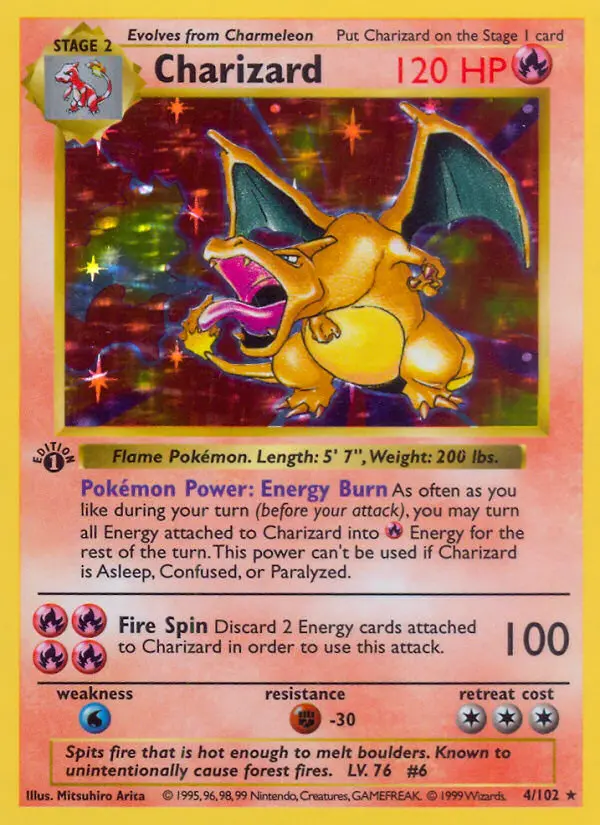
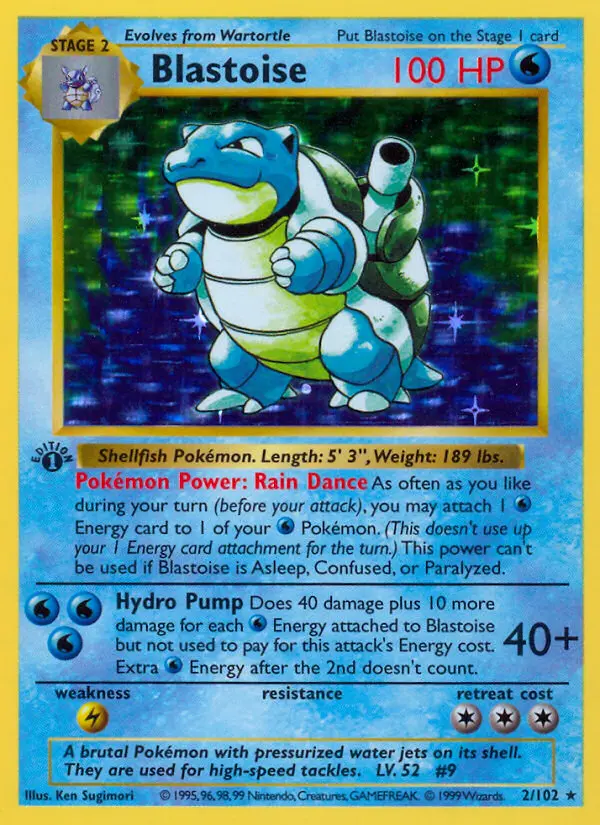
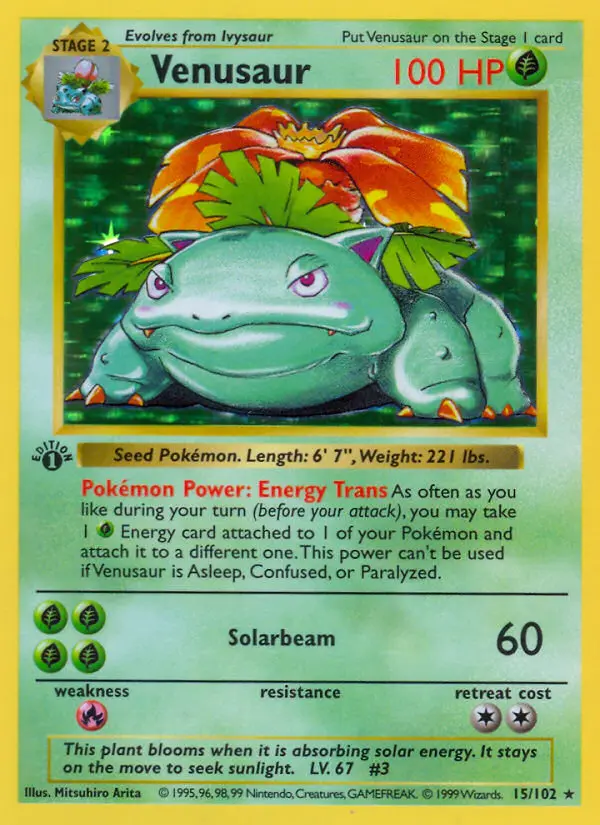
The three iconic Base Set starters
Price guide: how much are vintage cards worth in 2026?
Before searching for where to buy, you need to know how much to pay. The vintage market has evolved considerably since the 2020-2021 explosion, with a stabilization in 2023-2024 followed by a new surge driven by the 30th anniversary. Here are the current price ranges for the main WotC-era holo cards in English.
Vintage market 2026: key figures
Price table for iconic holo cards (English version)
| Card | Expansion | Ungraded (NM) | PSA 8-9 | PSA 10 |
|---|---|---|---|---|
| Charizard 4/102 Holo 1st Ed. | Base Set | $5,000 - $10,000 | $15,000 - $60,000 | $300,000+ |
| Charizard 4/102 Holo Unlimited | Base Set | $300 - $600 | $800 - $2,500 | $5,000 - $8,000 |
| Blastoise 2/102 Holo 1st Ed. | Base Set | $1,500 - $3,000 | $5,000 - $15,000 | $30,000+ |
| Shining Charizard 107/105 | Neo Destiny | $3,000 - $6,000 | $8,000 - $20,000 | $40,000+ |
| Lugia 9/111 Holo 1st Ed. | Neo Genesis | $800 - $1,500 | $3,000 - $8,000 | $15,000+ |
| Gengar 5/62 Holo 1st Ed. | Fossil | $200 - $400 | $600 - $1,200 | $2,000 - $4,000 |
| Dark Charizard 4/82 Holo 1st Ed. | Team Rocket | $800 - $1,500 | $3,000 - $8,000 | $12,000 - $25,000 |
| Mewtwo 10/102 Holo 1st Ed. | Base Set | $500 - $1,000 | $1,500 - $4,000 | $8,000+ |
Sources: recent Cardmarket sales, eBay "sold listings" and Heritage Auctions. Indicative prices as of March 5, 2026, subject to change. For a complete ranking, see our top 10 rarest European cards.
The most sought-after cards in images
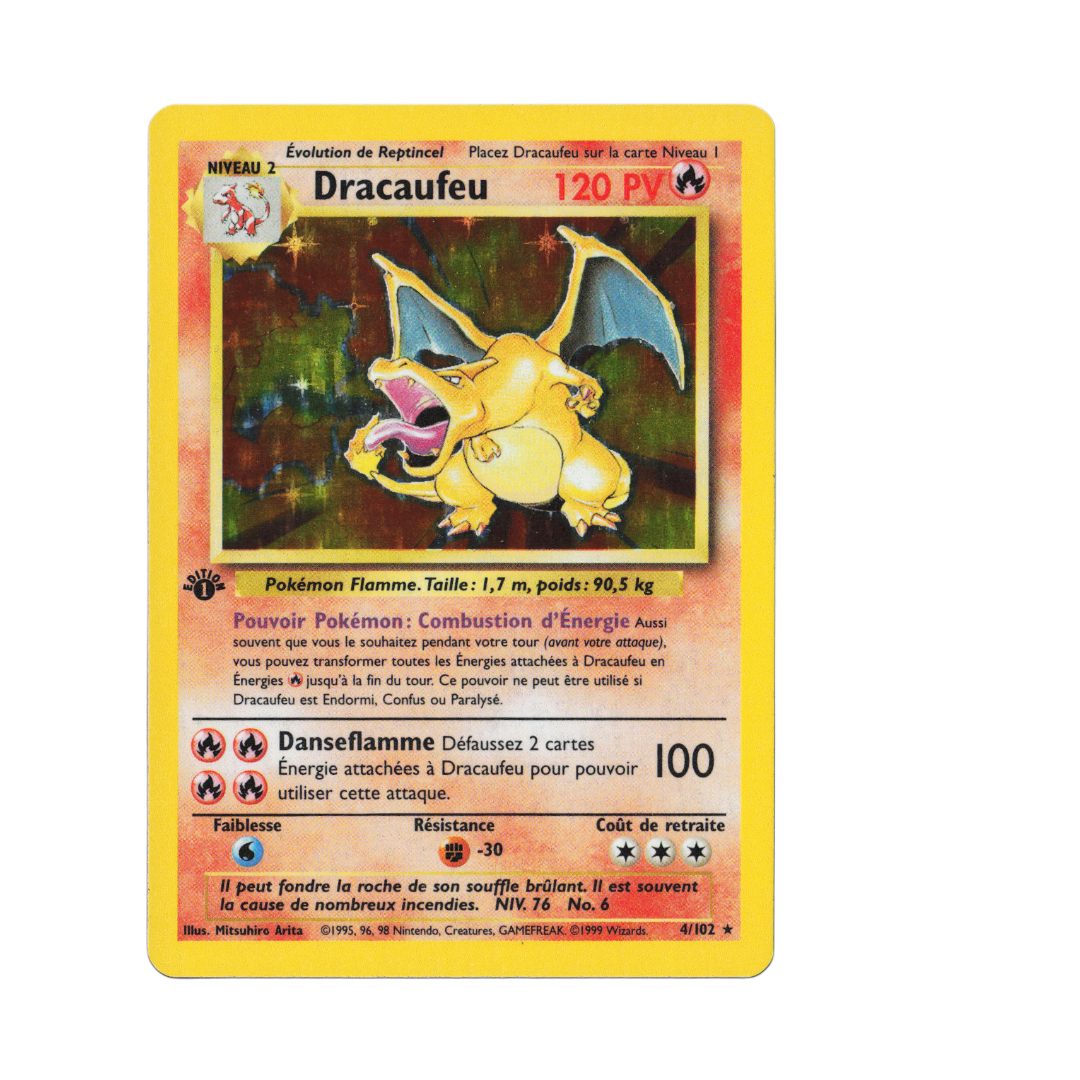
$300 - $300,000+
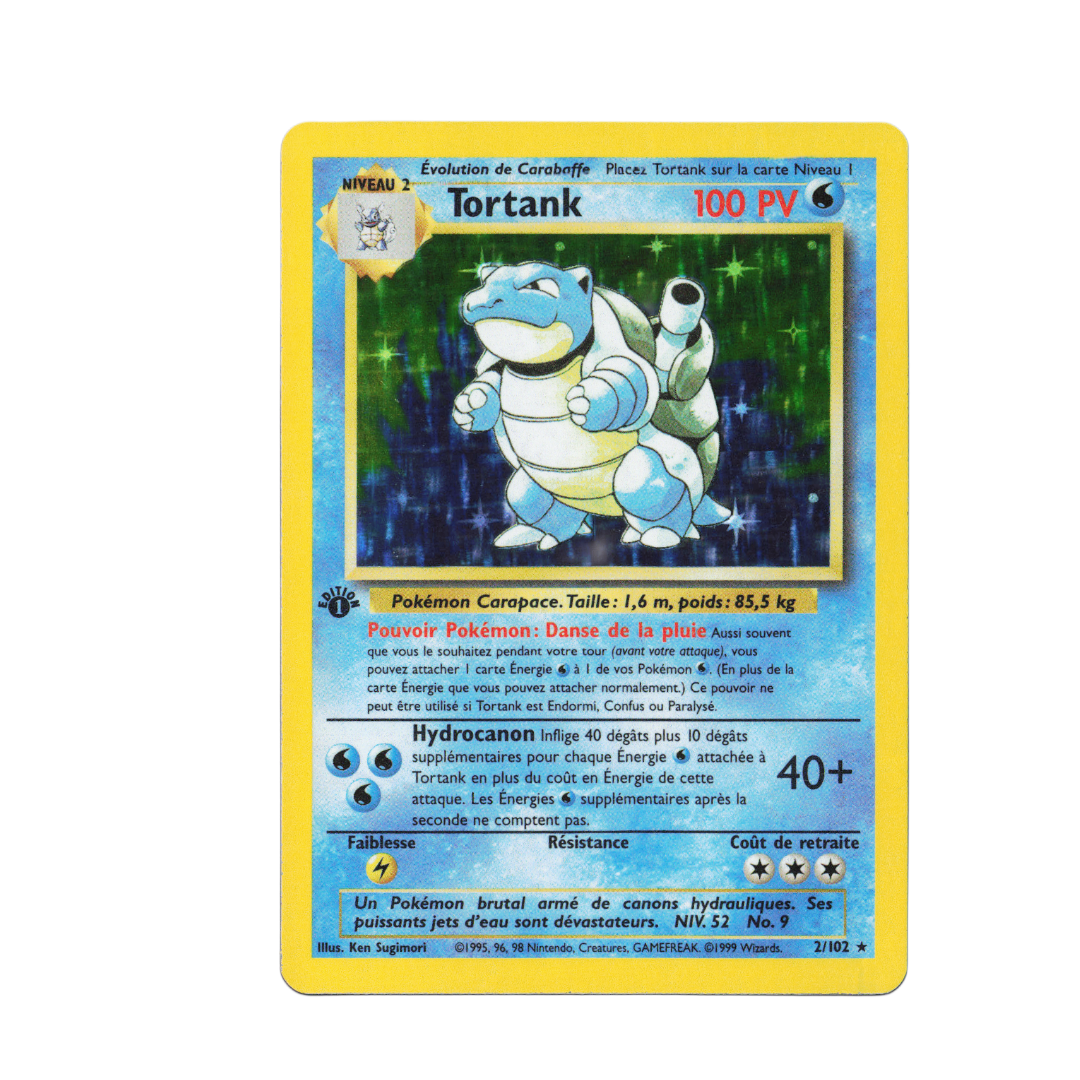
$1,500 - $30,000+
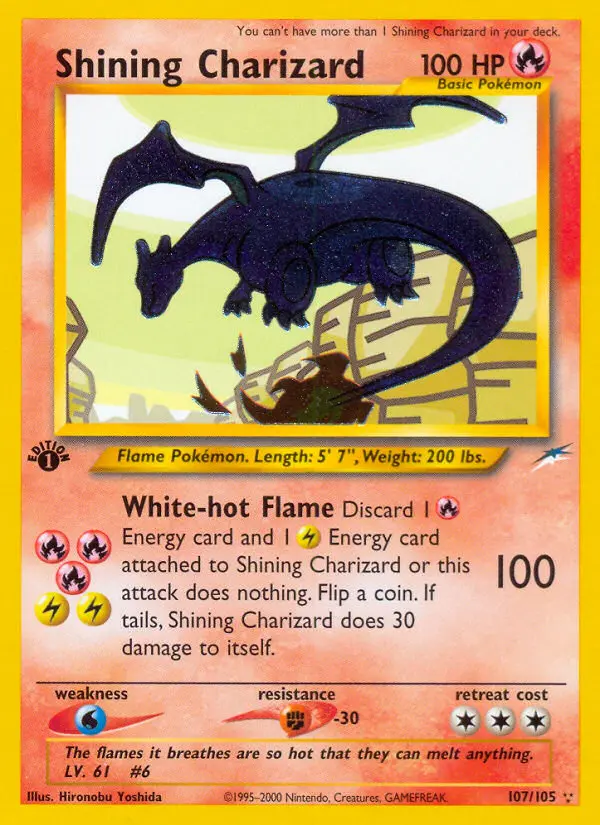
$3,000 - $40,000+
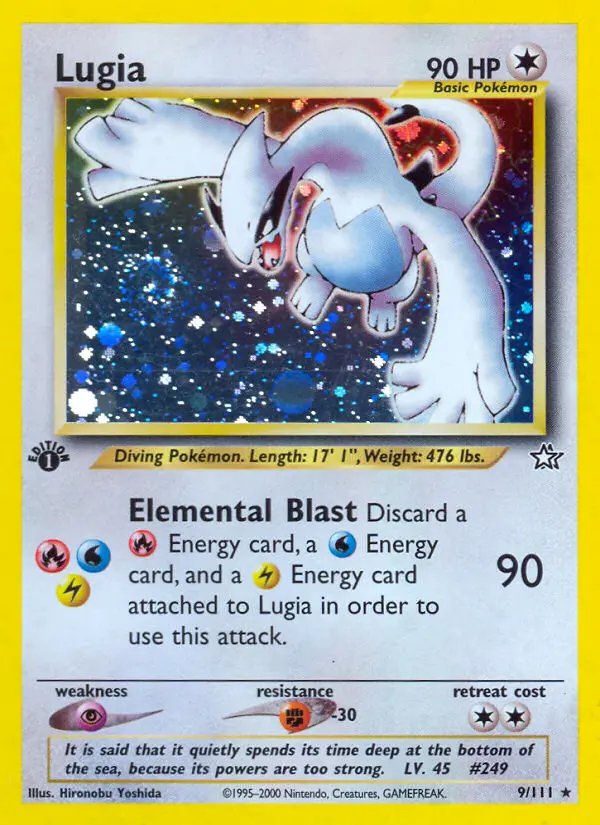
$800 - $15,000+
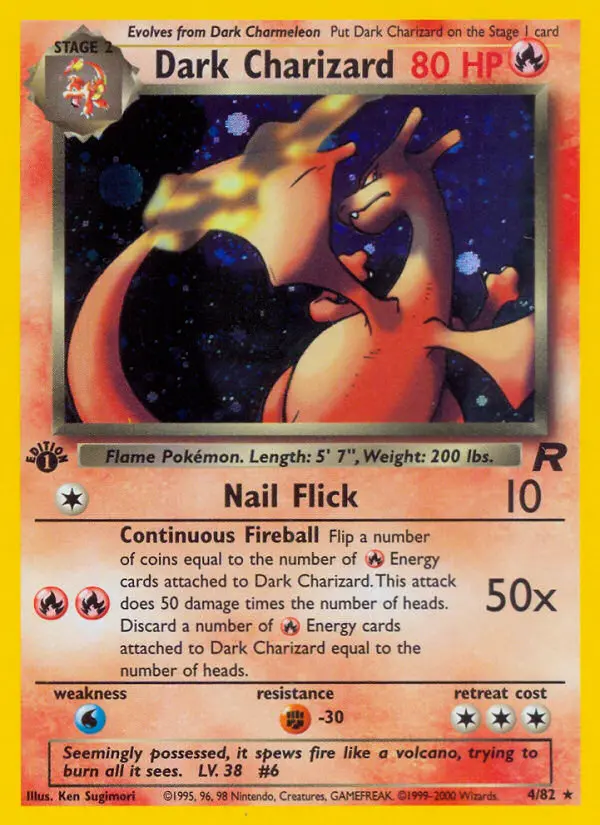
$800 - $25,000
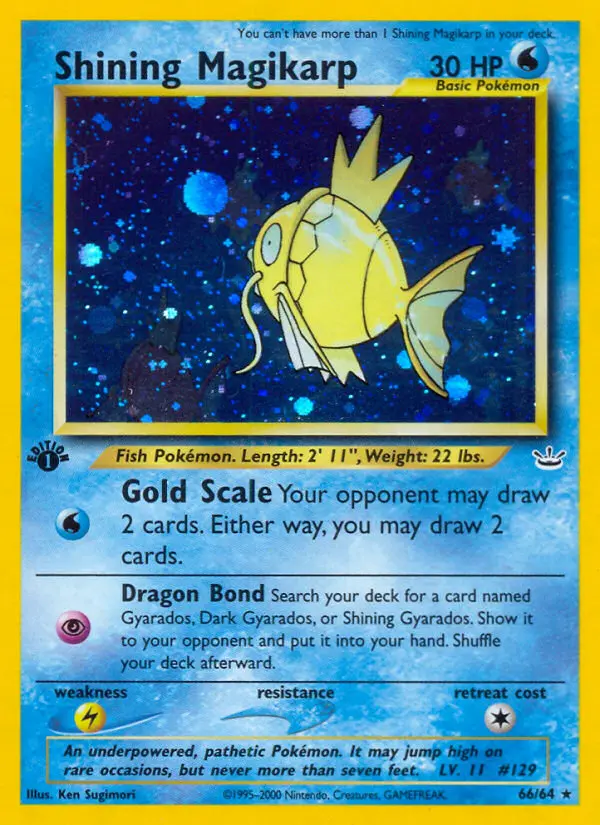
Neo Revelation
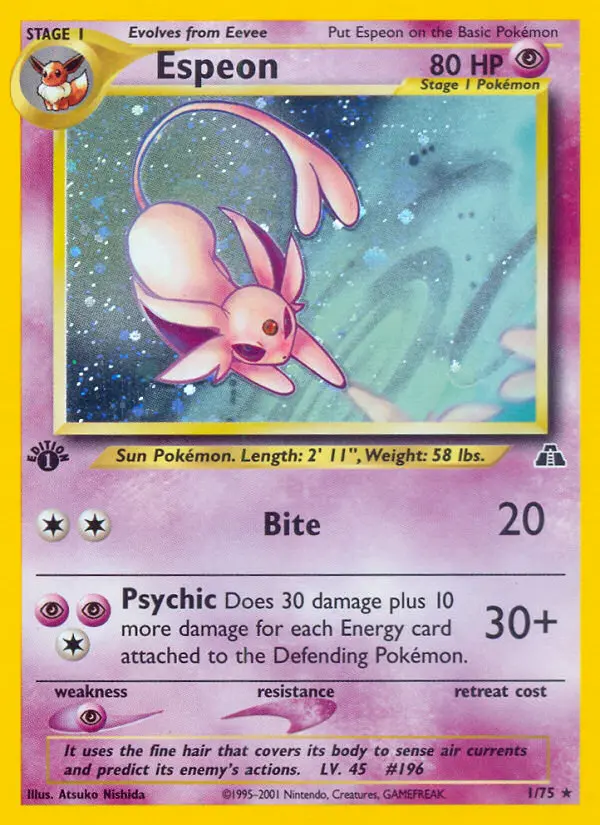
Neo Discovery
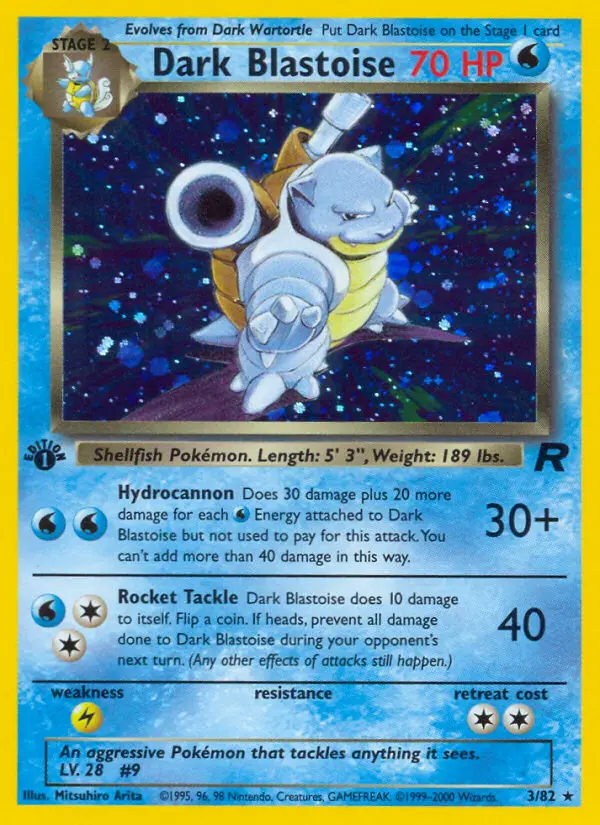
Team Rocket
Online platforms: the main playing field
The vast majority of vintage Pokemon card purchases happen online. This makes sense: physical shop inventory is limited, while the internet provides access to millions of listings simultaneously. But not all platforms are equal in terms of security, selection and pricing.
Cardmarket -- The European reference
Cardmarket at a glance
Cardmarket is the largest European marketplace dedicated to trading card games. Founded in Germany (formerly MagicCardMarket), it brings together thousands of private and professional sellers across Europe.
Why it is the reference: Cardmarket displays a real-time market price for every card, calculated from recent sales. It is the equivalent of a stock market quote for cards. Each seller is rated (number of sales, rating, country), and the platform offers buyer protection via an escrow service: your payment is held until you confirm receipt.
- Advantages: Transparent and competitive prices, very large selection of individual cards (including vintage rarities), reliable rating system, option to combine purchases from the same seller to reduce shipping costs.
- Drawbacks: Interface could be improved, not ideal for graded cards (PSA/CGC), photos not always available for used cards, shipping costs sometimes high for small orders.
- Tip: Filter by condition ("Excellent" or better for vintage) and by country (your own country to reduce delivery times). Always request photos before buying any card over 20 euros.
eBay -- The giant for auctions and graded cards
eBay at a glance
eBay remains indispensable for vintage Pokemon cards, particularly PSA and CGC graded pieces. The auction system can yield great deals, and eBay's buyer protection covers most transactions.
eBay's buyer protection covers purchases in cases of non-conformity or counterfeiting -- if the card received does not match the listing, the buyer is fully refunded. Note that the Authenticity Guarantee program (physical verification before delivery) is available on eBay.com (USA) for cards over $750 and has been expanding to some European eBay sites, but availability varies.
- Advantages: Immense worldwide catalog, auctions (possibility of bargains), strong buyer protection, ideal for PSA and CGC graded cards.
- Drawbacks: Frequent counterfeits in lower price ranges, auctions that can spiral above market price, shipping and customs fees for non-EU sellers, variable delivery times.
- Tip: Favor sellers with 99%+ positive feedback and a significant sales history. For ungraded cards over 50 euros, demand detailed front and back photos. Filter by "Item Location: European Union" to avoid customs fees.
Facebook Marketplace & local classifieds -- Bargains between individuals
Local classified platforms like Facebook Marketplace, Gumtree (UK), Kleinanzeigen (Germany), or LeBonCoin (France) are popular for second-hand Pokemon card sales. The main advantage: prices are often below market because sellers are individuals who do not always know the value of what they are selling. These are classic channels for "old boxes found in the attic" sales.
- Advantages: Prices often below market, possibility of local pickup (no shipping costs), direct negotiation, hidden gems possible in bulk lots.
- Drawbacks: No guarantee of authenticity, no reliable rating system, often poor-quality photos, high counterfeit risk on premium cards, no buyer protection for in-person exchanges.
- Tip: Favor listings with clear photos. If possible, buy in person to inspect cards on the spot. For shipped items, use only the platform's secure payment system. Be wary of "complete lots" at suspiciously attractive prices.
Other online platforms
TCGPlayer
The largest US-based marketplace for trading cards. Excellent for English-language vintage cards and graded pieces. Market prices are transparent. International shipping available but factor in customs for EU buyers.
Etsy
You will find vintage Pokemon cards here, mainly from international sellers (US, UK, Japan). Prices are often high, with significant shipping costs. Watch out for "reproduction" listings mixed in with genuine cards.
Catawiki
A curated auction platform with experts who verify lots. Ideal for rare pieces and complete collections. Serious auctions, final prices sometimes high. Counterfeit risk is low.
Buying channel comparison table
To help you choose the channel best suited to your situation, here is a summary comparison of all the options available in Europe in 2026.
| Platform | Vintage selection | Price | Fake risk | Protection | Best for |
|---|---|---|---|---|---|
| Cardmarket | Excellent | Low-Medium | Low | Good | Ungraded singles |
| eBay | Excellent | Variable | Medium | Very good | PSA/CGC graded |
| TCGPlayer | Excellent | Medium | Low | Very good | English singles |
| Local classifieds | Medium | Low | High | Limited | Lots / bargains |
| Catawiki | Good (curated) | Medium-High | Low | Very good | Rare / prestige pieces |
| Physical shops | Variable | Medium-High | Very low | Direct | Inspect before buying |
| Conventions | Excellent | Variable | Low | Direct | Rarities / negotiation |
| Flea markets / Car boots | Random | Very low | Medium | None | Hidden gems & nostalgia |
Physical shops in Europe
Nothing replaces seeing and handling cards before buying. Physical shops offer this guarantee, plus advice from passionate sellers who know the market. In 2026, several shops across Europe carry interesting vintage stock.
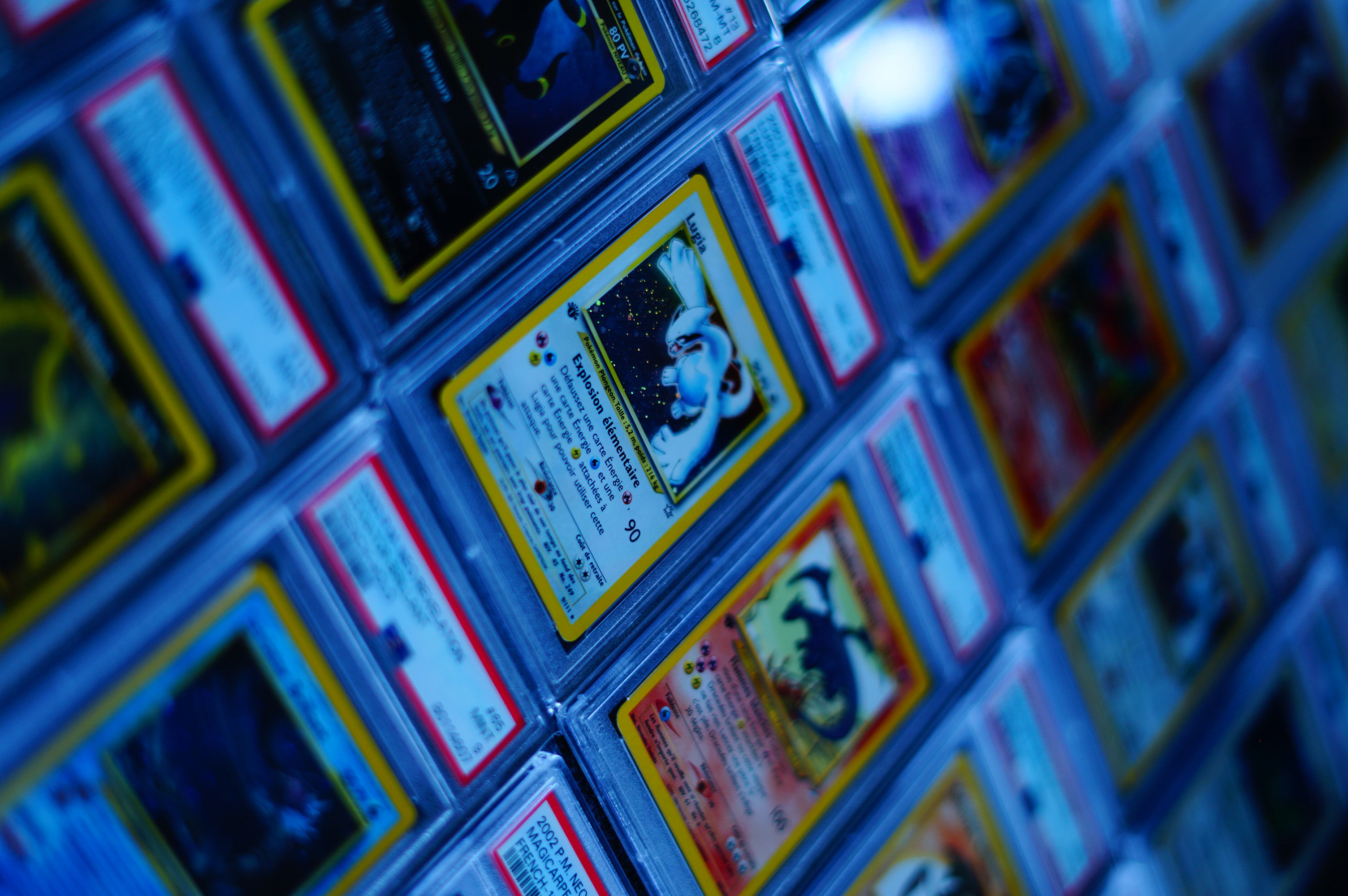
European shops to know
Here is a selection of physical shops across Europe that stock vintage Pokemon cards, whether individual singles or graded pieces. This list is not exhaustive.
Spotlight on key retailers
Fuji Store Paris · Lyon · Lille -- Three Japanese-styled shops in France with a wide selection of Pokemon cards in French, English and Japanese. Their vintage section offers individual cards and sealed vintage products. They also offer a card buyback service at approximately 70% of Cardmarket price -- handy if you want to sell.
Curious Pop Paris (Le Marais) -- A Parisian shop specializing in collectible cards. You will find vintage Pokemon cards, WotC-era cards, and PCA, PSA and CGC graded cards. The advantage: the ability to inspect grades and card condition in person before purchasing.
Playin Paris · Annecy · Marseille -- A French chain with multiple physical stores and an online shop. Variable but interesting vintage stock, especially for boosters and lots. They regularly organize tournaments and events.
- Advantages of physical shops: In-person authenticity verification, expert advice, no shipping costs, trust-based relationship with the seller, possibility of negotiation.
- Drawbacks: Limited stock by definition, prices often higher than online platforms (fixed business costs), geographic accessibility, opening hours.
- Tip: Call ahead to check available vintage stock. Many shops accept specific requests -- if you are looking for a particular card, they may be able to source it for you.
Flea markets and car boot sales: the treasure hunt
This is every collector's fantasy: stumbling upon a binder of Pokemon cards from the early 2000s at a flea market, sold by someone who has no idea of their value. Is this fantasy still realistic in 2026? Yes, but you need to be organized.
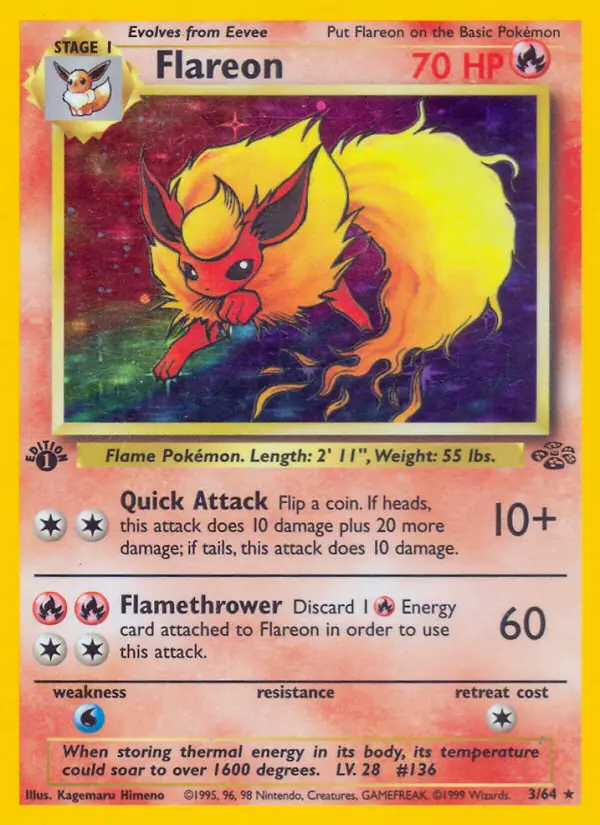
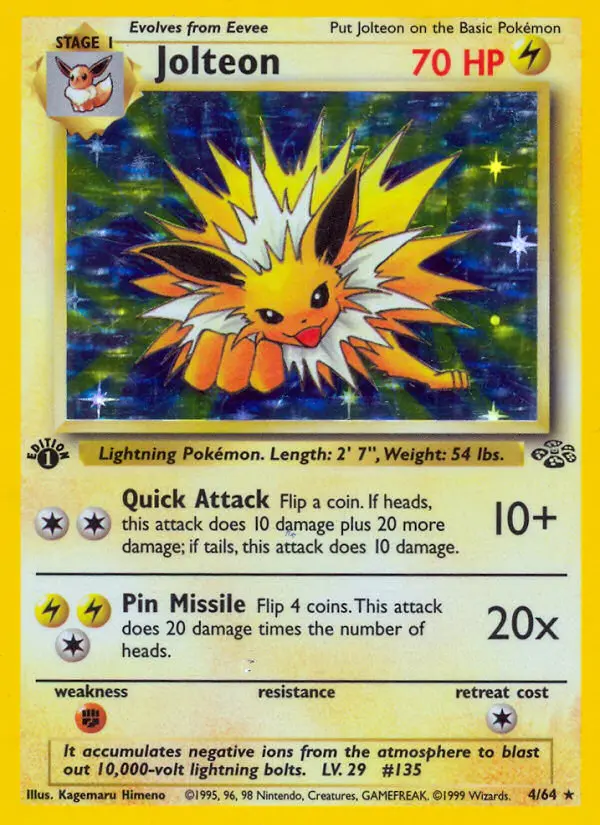
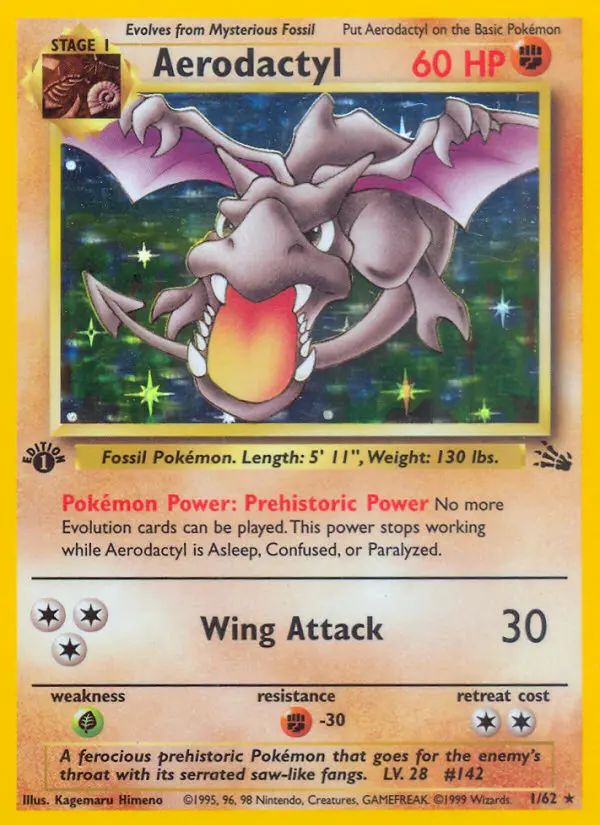
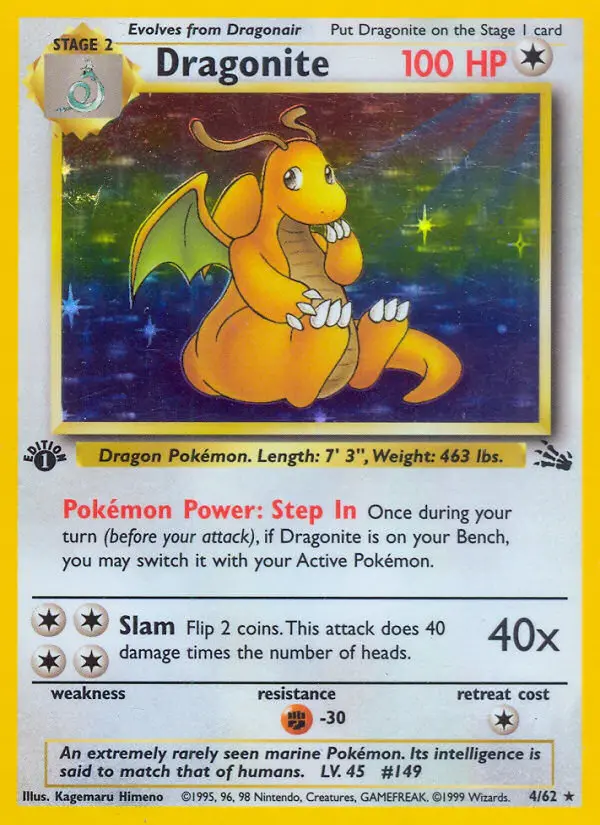
Since the media explosion of prices in 2020-2021, flea market sellers are much better informed than before. The days of finding WotC holos for 10 cents are over. Today, even children know the prices. That said, opportunities remain for patient and methodical hunters.
Where to look first
- School and charity flea markets -- These are the best. Parents clearing out their children's rooms (sometimes now adults) sell entire binders of cards without having taken the time to sort them. This is where the hidden gems lie.
- Village jumble sales -- Less frequented by professional resellers than large urban flea markets. The atmosphere is more relaxed, and sellers are often more open to negotiation.
- Permanent flea markets -- Major flea markets across Europe sometimes have dealers with vintage stock, but prices are generally higher as sellers know the market.
- Dedicated trading events -- Card trading events for Pokemon and other TCGs are organized in many European cities. Check local collector forums and Facebook groups for events near you.
Practical tips for flea markets
- Arrive early. The best stalls are stormed at opening by professional resellers. If the flea market opens at 7am, be there at 6:45.
- Bring your fully charged smartphone. Use apps like PriceCharting or TCGPlayer to check prices in real time. Do not let the seller see you checking prices -- it might encourage them to raise theirs.
- Ask the price before browsing. If the seller immediately says "10 euros per card," move on -- that is an informed reseller. If the seller says "make me an offer" or quotes a lot price, that is a good sign.
- Look for unsorted binders and boxes. This is where the most interesting cards hide. Cards individually displayed in sleeves are generally priced close to market value.
- Bring a pocket magnifying glass. To quickly check condition and authenticity on the spot.
Conventions: the best time to buy
Trading card conventions are seasoned collectors' favorite hunting ground. You will find dozens (even hundreds) of sellers concentrated in one place, rare pieces you cannot find anywhere else, and above all the ability to inspect everything in person before buying. It is also a great opportunity to negotiate -- toward the end of the event, some sellers prefer to lower prices rather than pack everything up again.
Major European TCG conventions -- 2026
Key TCG events in Europe for 2026. Dates confirmed at time of publication.
Events in detail
Gala TCG Must-attend -- 5th edition, April 18-19, 2026 at Paris Porte de Versailles. The largest trading card convention in Europe. Pokemon, Yu-Gi-Oh!, Magic, One Piece, Lorcana: every TCG universe is represented. Free entry for children under 10. Hundreds of exhibitors specializing in vintage, on-site grading, and special guests.
Paris Card Show -- May 23-24, 2026 at Espace Champerret (Paris). France's number one show for sports cards and multi-TCG, with a significant Pokemon section. The atmosphere is more oriented toward serious collectors and investors.
Royaume du TCG -- 3rd edition, April 4-5, 2026 at Parc des Expositions de Paris Nord Villepinte. Over 100 exhibitors across 16,000 m². On-site grading services. In 2025, the convention attracted thousands of visitors.
Pocardheim Festival -- May 9-10, 2026 in Heimsbrunn (Alsace). A human-scale, friendly event open to collectors, players and families. Proceeds are donated to the "Aline sourit a la vie" association supporting children with cancer.
How to spot counterfeits
The vintage Pokemon card market is infested with counterfeits. The problem has worsened since the price explosion: fakes are increasingly convincing, to the point where even experienced collectors can be fooled. Here are the essential checks -- for a comprehensive guide, see our dedicated article on how to recognize a real Pokemon card.
The 8 essential checks
- The back of the card -- This is the first thing to check. Counterfeits often have a back that is too light, too dark, or with slightly shifted colors. Always compare with a card you know to be authentic.
- The light test -- Hold a flashlight behind the card. A real Pokemon card lets through a uniform bluish light through the intermediate black layer of the cardstock. A counterfeit often lets through too much or too little light.
- The holographic texture -- Authentic vintage holo cards have a specific grain pattern and a "cosmos" pattern that shifts with the viewing angle. Fakes often have a uniform, "plastic-like" reflection without the characteristic grain of WotC cards.
- The font -- Counterfeits use a font that resembles the original but differs subtly -- particularly in the HP (font too thin or too thick) and letter spacing. Compare with a reference card.
- The copyright -- Every authentic card bears the "© Nintendo / Creatures / GAME FREAK" markings and a consistent set number (e.g. 4/102). Missing copyright, a distorted logo or an inconsistent number are immediate red flags.
- Weight and thickness -- A real Pokemon card weighs approximately 1.8 g. Counterfeits are often lighter or heavier. Thickness is also an indicator -- a fake is often thinner or more rigid to the touch.
- Edges and cut -- Authentic cards have clean edges and uniformly rounded corners. Fakes often show cutting irregularities, a grainy feel on the edge, or small fuzzy white spots on the surface.
- The price -- A Base Set 1st Edition Charizard at 50 euros is a fake. Period. If the price seems too good to be true, it is.
Red flags when buying online
Beyond physical counterfeiting, online scams have their own warning signs. Learn to spot them so you never get caught.
Miraculous prices
"100 ultra rare cards for 5 euros" or a Charizard holo for 30 euros? It is a scam in 100% of cases. Always check the market price on Cardmarket or TCGPlayer before buying.
New profile with no reviews
An account created a few days ago selling high-value rare cards? That is a major red flag. Prefer sellers with a verifiable track record.
Off-platform payment
If the seller insists on being paid outside the platform (PayPal "friends and family," bank transfer), run immediately. No honest seller asks for this.
Blurry or stock photos
Photos pulled from Google Images or intentionally blurry? The seller is hiding something. Demand original high-resolution photos front and back.
When in doubt, do not buy. There will always be another opportunity. To learn more about card authentication, read our complete guide to recognizing real Pokemon cards.
Why PSA/CGC certified cards are safer
If you are investing in valuable vintage cards, certification is the best way to secure your purchase. A PSA or CGC certified card has been authenticated and graded by an independent laboratory. The result is sealed in a transparent case (the "slab") with a certification number verifiable online.
PSA
The world leader in card grading. Scale of 1 to 10. The PSA 10 "Gem Mint" is the holy grail for collectors. Number verifiable at psacard.com/cert. The market standard -- the most "liquid" results for resale.
CGC
A rising alternative to PSA. Scale of 1 to 10 with half-points (e.g. 9.5). Sub-grades for centering, surfaces, corners and edges. More detailed than PSA, but less recognized on the resale market.
Beckett (BGS)
A well-established grading service, especially popular for sports cards. Scale of 1 to 10 with half-points and sub-grades. The BGS 10 "Pristine" or "Black Label" (all sub-grades 10) commands a premium. Strong choice for US-market resale.
For a deeper dive into the differences between these services, check our PSA vs CGC comparison. And if you want to get your own cards graded, our guide on how to get Pokemon cards graded explains the procedure step by step.
The art of negotiation
Whether at a flea market, a convention, or even online, negotiation is part of the game. Here are the techniques that work -- and those to avoid.
At flea markets and car boot sales
- Ask the price before browsing. This saves time if the seller is asking too much. A simple "How much for the cards?" is enough.
- Leverage bulk purchases. If you are buying 24 cards at 20 cents each (4.80 euros), ask "Would you do the lot for 4 euros?" -- rounding down is a classic technique that is almost always accepted.
- Never show your excitement. If the seller sees you getting excited about a card, the price will go up. Stay calm, browse through the binder casually, and make your offer in a neutral tone.
- Buy in volume. "If I take all three binders, can you do a better price?" -- flea market sellers want to clear their stock. Propose a total price below the sum of individual prices.
At conventions and shops
- Compare prices between stalls. Multiple sellers often offer the same cards at different prices. Do a complete tour of the convention before buying.
- Negotiate at the end of the event. On the last day, in the late afternoon, sellers prefer to offer discounts rather than pack up. This is the best time to negotiate.
- Pay in cash. Many convention sellers give a discount for cash payment (they avoid card terminal fees). Ask: "Same price for cash?"
- Be respectful. The Pokemon community is a small world. A collector who negotiates respectfully will always be better received than a "shark" trying to lowball. Sellers remember good buyers -- and sometimes reserve their best pieces for them.
Online
- On Cardmarket: prices are fixed and transparent. Little room for negotiation, but you can contact the seller to ask for a discount on a bulk purchase.
- On eBay: use the "Make an Offer" feature on fixed-price listings. Start 15 to 20% below the asking price -- the seller will often counter with a compromise.
- On local classifieds: negotiation is the norm. Sellers typically list prices 10 to 30% above what they hope to get.
Protecting your cards after purchase
Congratulations, you have found and bought a vintage card. Now you need to protect it -- because a poorly stored card can lose half its value in a few months. See our full guide on Pokemon card storage for details, but here are the essentials.
The minimum protection kit
- Inner sleeve (penny sleeve) -- The first layer of protection. In direct contact with the card, it prevents scratches. Use polypropylene "penny" sleeves that fit perfectly.
- Semi-rigid top-loader -- For valuable cards. The top-loader protects against bends and impacts. Insert the card in its sleeve, then in the top-loader. Seal with a piece of tape (never directly on the card).
- Binder with side-loading pages -- For collections. Side-loading pages prevent cards from falling out. Avoid ring binders that can mark the pages and cards.
- Dry storage, away from light -- Humidity is vintage cards' number one enemy. Store your cards in a dry place at a constant temperature, away from direct sunlight which can discolor holos.
Strategic tips for smart buying
Beyond choosing the right platform, here are the principles that separate a smart purchase from an impulsive buy you regret.
Know the prices before buying
Never rely on one seller's listed price. Before any purchase, check the market price from at least two sources:
- Cardmarket -- Average selling price in Europe, updated in real time.
- PriceCharting -- US eBay sold price history, useful for English and graded cards.
- TCGPlayer -- Market prices for English cards from US sellers.
- eBay "Sold Listings" -- Filter by "Sold items" to see actual transaction prices (not asking prices).
Timing: when to buy?
The Pokemon card market has seasonal cycles:
- January-March: The quiet period; prices are often at their lowest. Sellers liquidate stock after the holidays. This is the best time to buy.
- September-November: Prices climb with the back-to-school season and the approach of the holidays. Demand pushes prices up.
- After a media buzz: When a record sale makes headlines, prices temporarily spike. Wait 2-3 weeks for things to cool down.
- During and after conventions: Sellers who did not sell at the convention often list their stock online at reduced prices in the following days.
Buying to collect vs. buying to invest
If you are buying to collect, buy what you love, in whatever condition suits you. A Charizard in "Played" condition at 200 euros can bring as much joy as a PSA 10 at $300,000.
If you are buying to invest, focus on cards in excellent condition (PSA 9+), 1st Editions (low print runs), and iconic Pokemon with universal sentimental value (Charizard, Pikachu, Mew, Lugia). The vintage market is only consolidating: no new WotC cards will ever be printed, and copies in perfect condition become rarer every year. For an in-depth analysis, see our guide on investing in Pokemon cards in 2026.
Checklist before any vintage purchase
Before confirming a vintage Pokemon card purchase, go through this list:
The 10 questions to ask yourself
Print this checklist or bookmark it. It can save you from costly mistakes.
- Have I checked the market price? Consult Cardmarket, PriceCharting or eBay sold listings before deciding.
- Are the photos sufficient? Front, back, close-up of text and holo. If the photos are blurry or insufficient, ask for more.
- Is the seller reliable? Check their history, ratings, and how long their account has existed.
- Is the price realistic? Too low = probable counterfeit. Too high = seller trying their luck.
- Does the platform offer buyer protection? In case of a problem, can you get a refund?
- Is it a graded card? If so, is the certification number verifiable online on the grading company's website?
- Are shipping and customs fees included? A non-EU seller can incur customs fees of 20%+.
- Does the described condition match the photos? "Near Mint" for one seller might mean "Light Play" for another.
- Do I need this card right now? Patience is the collector's best weapon. If the price is not right, wait.
- How will I store this card? Have sleeves, top-loaders or a suitable binder ready. A vintage card deserves to be properly protected.